LinkedIn Ads Agency UK: Costs and What You Get
LinkedIn Ads in the UK cost between £6 and £14 per click, and the minimum spend below which the channel cannot work is about £2,000 per month. That buys roughly 150 to 300 clicks, which is the floor at which you can read results at all. Cost per qualified lead lands between £90 and £400 depending on sector, against £25 to £90 on Google Search for the same businesses.
 Ekrem Abdulkerim
23/09/2026
10 min read

LinkedIn has the most expensive clicks in mainstream paid media, and for a narrow set of B2B businesses it still produces the cheapest qualified pipeline. Both things are true at once, which is why the channel generates such contradictory advice.
The deciding factor is not your industry. It is whether your buyer is findable by job title and company attributes, and whether your deal is large enough to absorb the cost of reaching them.
Knowledge Hub
- LinkedIn brand awareness
- Pay Per Click (PPC)
- AI SEO
- LinkedIn Ads Agency UK
1. When LinkedIn beats Google, and when it does not
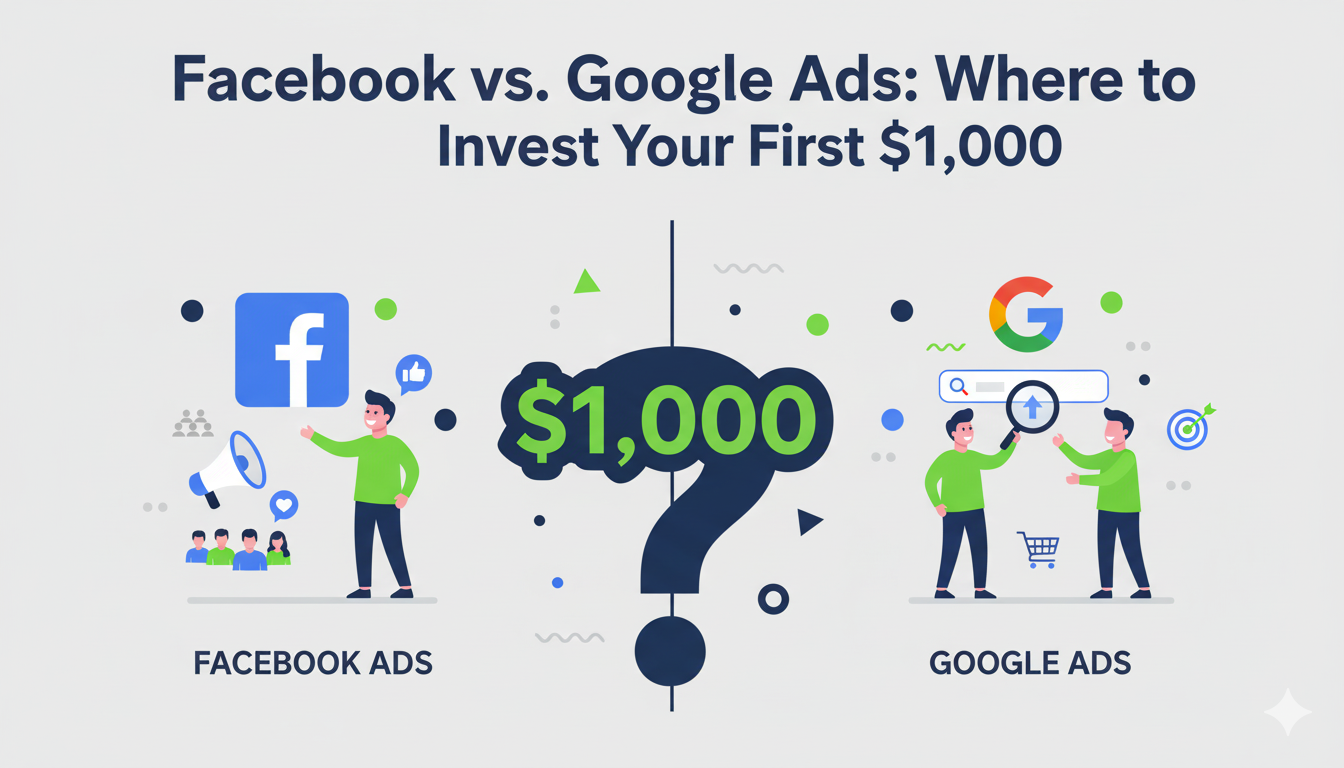
The two channels are not substitutes. Google Search captures people already looking for a solution. LinkedIn reaches the right person before they start looking. Which one works better depends less on your industry than on whether demand for your category already exists.
| Google Search | LinkedIn Ads | |
|---|---|---|
| Buyer state | Actively searching | Not looking yet |
| Cost per click | £2 to £9 | £6 to £14 |
| Cost per qualified lead | £25 to £90 | £90 to £400 |
| Volume ceiling | Capped by search demand | Capped by audience size |
| Targeting basis | What they typed | Who they are |
| Time to read results | 2 to 3 weeks | 4 to 8 weeks |
The decision in one question
Does anyone search for what you sell? If your category has established search volume, start on Google, because intent is cheaper than attention. If buyers do not know your category exists, or if the people who would buy are not the people who search, LinkedIn is often the only way to reach them at all.
The exception worth knowing: when your deal size is above roughly £15,000 and your buyer is identifiable by job title, LinkedIn can outperform Google on cost per closed deal even while losing badly on cost per lead. Judge the channel at the end of the funnel, not the start.
2. What LinkedIn Ads actually cost in the UK
LinkedIn runs an auction like any other platform, but the floor price is higher because the inventory is scarce and the targeting is precise. You are bidding against everyone else who wants to reach the same 4,000 finance directors.
| Sector | Cost per click | Cost per raw lead | Cost per qualified lead |
|---|---|---|---|
| Professional services | £7 to £12 | £30 to £60 | £110 to £280 |
| B2B software | £8 to £14 | £35 to £70 | £150 to £400 |
| Industrial and manufacturing | £6 to £10 | £25 to £55 | £90 to £220 |
| Recruitment | £6 to £11 | £20 to £45 | £95 to £240 |
Notice the gap between the last two columns. Raw leads cost two to six times less than qualified ones, because a meaningful share of form fills come from people who are curious, junior, or outside your target entirely. Any agency reporting the raw number is reporting the flattering one.
The minimum that works
Around £2,000 per month in media spend, separate from agency fees. At £10 per click that buys roughly 200 clicks, which is the floor at which you can tell a working campaign from a failing one. Below that, you also cannot rotate creative often enough to stay ahead of audience fatigue, which on a small LinkedIn audience arrives within weeks.
3. Which campaign types produce pipeline
LinkedIn offers more formats than most advertisers need. In our accounts, two of them produce the majority of qualified volume.
| Format | Best for | Reality check |
|---|---|---|
| Sponsored Content with lead form | Most qualified volume | Pre-filled fields raise volume and lower quality; add a qualifying question |
| Document Ads | Considered purchases, technical buyers | Strong intent signal because people read before converting |
| Message Ads | Event invitations to a known list | Tight frequency caps and easily resented by senior audiences |
| Video | Awareness and audience building | Do not judge on direct leads; use it to build retargeting pools |
| Text Ads | Cheap incremental reach | Low cost, low conversion, rarely worth the setup |
One practical note on lead forms. Pre-filled fields make converting almost effortless, which is exactly the problem: it lowers the cost per lead and raises the share of people who converted without much thought. Adding one open question, such as what prompted you to look into this, cuts volume noticeably and improves what reaches sales.
4. Targeting that works and targeting that burns budget
LinkedIn’s targeting is the reason to use it and the fastest way to waste money on it.
Build audiences from attributes, not job titles alone
Job titles are inconsistent across companies. A head of operations at a 40-person firm does the job a director of operations does at a 400-person firm.
Targeting titles alone either misses people or includes the wrong ones. Combining job function and seniority with company headcount produces a more stable audience than any list of titles.
Audience size matters more than people expect
Below roughly 20,000 members, frequency climbs quickly and the same people see your ad repeatedly until they stop noticing it. Above roughly 400,000, targeting is so loose that you are paying LinkedIn prices for Facebook precision. The workable range for most UK campaigns sits between 30,000 and 150,000.
| Setting | What it does by default | What to do |
|---|---|---|
| Audience Network | Enabled, serving ads off-platform | Disable while establishing a baseline |
| Audience expansion | Enabled, adds similar members | Disable on precise B2B targeting |
| Location targeting | Includes recent locations | Set to permanent location only |
| Bid strategy | Maximum delivery spends fastest | Start with a manual cost cap |
These four are the LinkedIn equivalent of the default settings that inflate spend on every ad platform. All four are defensible once a campaign has a stable baseline. None of them belong in the first month, when you are trying to learn what your real cost per qualified lead is.
5. Creative that survives the feed
LinkedIn creative fails in a specific way: it looks like an advertisement in a feed where everything else looks like a person talking. Three things consistently separate what works from what does not.
Lead with the problem, not the product. The reader does not know your product and has no reason to care about it. They do recognise their own problem, described in their own vocabulary.
Use a specific number early. Ranges and claims wash over people. A concrete figure, even an uncomfortable one, stops the scroll because it implies you have actually measured something.
Refresh every four to six weeks. On a 50,000-person audience, frequency reaches fatigue faster than most advertisers expect. Cost per lead climbing while everything else holds steady is almost always creative fatigue, not an auction change.
6. Measuring a channel with a long sales cycle
LinkedIn is systematically undervalued by last-click attribution, and the reason is structural rather than technical. Someone sees your ad, does not click, searches your company name a week later, and arrives through Google. The last click gets the credit and LinkedIn gets none.
Three practical ways to see the real picture without building an attribution model:
- Watch branded search volume. If branded impressions in Search Console rise while LinkedIn is running and fall when it pauses, the channel is doing work that no click will show you.
- Ask on the form. A single how did you hear about us field, left open, is imperfect and still more informative than any attribution model for a six-month sales cycle.
- Compare cohorts, not clicks. Look at closed revenue from companies that were in the target audience during a campaign, against those that were not.
Do not judge LinkedIn on last-click revenue inside the first month. With a three to six month sales cycle, that measurement will tell you to switch the channel off at precisely the point where it has started working and has not yet been credited for it.
7. What to hold an agency accountable for
Most LinkedIn reporting is built to look reassuring. Impressions, click-through rate and cost per lead all move in flattering directions when a campaign is optimised for the wrong thing.
| Require | Why it matters | Deprioritise |
|---|---|---|
| Sales-accepted leads | The only number tied to revenue | Raw form fills |
| Cost per sales-accepted lead | Comparable across channels | Cost per click |
| Creative refresh dates | Shows fatigue is being managed | Impressions |
| Audience overlap between campaigns | Overlap inflates frequency and cost | Click-through rate in isolation |
Agree the definition of a qualified lead in writing before launch, and make it specific: company size band, seniority, geography, and a stated timeframe. Without that definition, the monthly report becomes a negotiation about what counts, every month, and nobody can tell whether the channel works.
One more thing worth asking any prospective agency: which of your LinkedIn clients did this not work for, and why.
Anyone who has run the channel for a few years has an account where the audience was too small or the deal size too low. An agency that claims it works for everyone has either not run it long or is not telling you the whole picture.
8. Frequently Asked Questions
How much do LinkedIn Ads cost in the UK?
Expect £6 to £14 per click, with senior decision-maker targeting at the top of that range and broad industry targeting at the bottom. Lead generation forms typically cost £25 to £70 per raw lead, but raw leads and qualified leads are very different numbers, and only the second one matters when you compare against other channels.
What is the minimum budget for LinkedIn Ads?
Around £2,000 per month in media spend, separate from any agency fee. Below that you buy too few clicks to distinguish a working campaign from a failing one, and you cannot rotate creative often enough to avoid audience fatigue. A £600 monthly budget on LinkedIn produces data too thin to act on.
Is LinkedIn better than Google Ads for B2B?
They do different jobs. Google captures people already searching for a solution, so intent is high and volume is capped by demand. LinkedIn reaches the right person before they search, so volume is larger and intent is lower. If your category has established search demand, start with Google. If buyers do not know your category exists, LinkedIn is often the only way to reach them.
Which LinkedIn campaign types actually produce pipeline?
Sponsored Content with a lead generation form, and Document Ads, produce most of the qualified volume in our accounts. Message Ads look attractive but have tightened frequency caps and tend to irritate senior audiences. Text Ads are cheap and rarely convert. Video works for awareness but should not be judged on direct lead numbers.
How long before LinkedIn Ads show results?
Two to four weeks for cost per lead to stabilise, and a full sales cycle, often three to six months, before you can judge revenue. Because the sales cycle is long, judging LinkedIn on last-click attribution within the first month will almost always lead you to switch it off just as it starts working.
What should a LinkedIn Ads agency be accountable for?
Cost per qualified lead as defined jointly and written down, creative refresh cadence, and audience overlap management. Hold them to reporting on qualified leads that sales accepted, not form fills. Any agency that reports impressions and click-through rate as headline metrics on a B2B account is reporting the numbers that are easiest to make look good.
Want a straight answer on your paid social spend? We will look at your campaign structure, your real cost per qualified lead and what is actually reachable next quarter, then tell you plainly where the budget is going. No pitch deck, no commitment.
How this guide was put together
Cost ranges come from LinkedIn and Google Ads accounts LineUp manages for UK B2B clients between 2024 and August 2026, covering professional services, software and industrial suppliers. The ranges are the middle of those accounts rather than the extremes. Your seniority targeting, creative refresh rate and offer move them considerably. These are not published platform benchmarks and we do not present them as such.
9. Sources & References
Reference material and further reading used while writing this guide. Figures described as our own are from LineUp campaign data, as set out in the methodology note above.
- LinkedIn Marketing Solutions, advertising objectives. Official description of campaign objectives and available ad formats. business.linkedin.com ↗
- LinkedIn Help, campaign bidding and budgets. How bids, daily budgets and auction pricing work on the platform. linkedin.com ↗
- Google Ads, Quality Score. Reference for the Google Search comparison used throughout this article. support.google.com ↗
- Google Analytics 4, attribution models. Why last-click understates long B2B sales cycles. support.google.com ↗
Ekrem Abdulkerim
SEO Strategist and Founder of LineUp. I help brands dominate search through technical precision and measurable growth.
Stay Ahead of the Curve
Get the latest SEO strategies and marketing insights delivered to your inbox.
Ready to dominate search?
See how LineUp helps businesses win on Google, drive organic traffic and turn it into leads.