
The short version
- Effective SEO now starts with matching search intent and showing real, first-hand experience.
- Use AI to speed up research and editing, not to publish thin pages at scale.
- Core Web Vitals targets are LCP within 2.5 seconds, INP of 200 ms or less and CLS of 0.1 or less.
- A 90-day plan puts technical fixes first, then content, then topical authority.
The SEO strategies that work now are the ones built around people and proof: content that matches what a searcher wants, written by someone who has done the work, on a site that loads fast and is easy to crawl. AI tools help with research and editing, but they do not replace any of that.
Google’s own guidance on generative AI content says that producing many pages without adding value for users may breach its spam policy on scaled content abuse. So the order of priority is clear: be useful first, then be efficient.
Below are seven strategies, a 90-day plan to put them in order, and answers to the questions we hear most from business owners. If you are choosing where to start, read the first strategy about intent and the fifth about speed. They cost the least and break the least.
What has changed in SEO, and what has not?
Google still rewards pages that answer the query better than the alternatives. What has changed is how results are shown: AI summaries, People also ask boxes, local packs and video carousels now sit around the classic blue links. Our look at what happens to clicks on Google’s first page covers the click side of this shift.
Definition: search intent is the reason behind a query, such as learning something, finding a site, comparing options or buying. A page ranks well when its format and depth match that reason.
Seven SEO strategies, in order of priority
1. Match search intent before you write
Intent is the most common reason a good page fails to rank. Open the results for your target query and note what already ranks: guides, product pages, comparison tables or local listings. If every result is a how-to, a sales page will struggle however well it is written.
Look at the People also ask box and the related searches at the bottom of the page. They show the follow-up questions real people have, and each one can become a section of your page. For audience research beyond Google, our SparkToro framework for audience research shows where your buyers read and which words they use.
| Intent Type | Content Purpose | Optimization Focus |
|---|---|---|
| Informational | Answer questions, educate, explain concepts | Comprehensiveness, clarity, featured snippet optimization |
| Commercial Investigation | Compare options, read reviews, evaluate alternatives | Comparison tables, pros/cons, expert opinions |
| Transactional | Make a purchase, sign up, complete action | Product details, pricing, trust signals, CTAs |
| Navigational | Find specific brand, website, or resource | Brand mentions, knowledge panel optimization |
2. Show first-hand experience (E-E-A-T)
Google’s guidance on helpful, reliable, people-first content asks you to show experience, expertise, authoritativeness and trustworthiness. Experience is the newest of the four. It means the author has actually used the product, run the campaign or visited the place they describe.
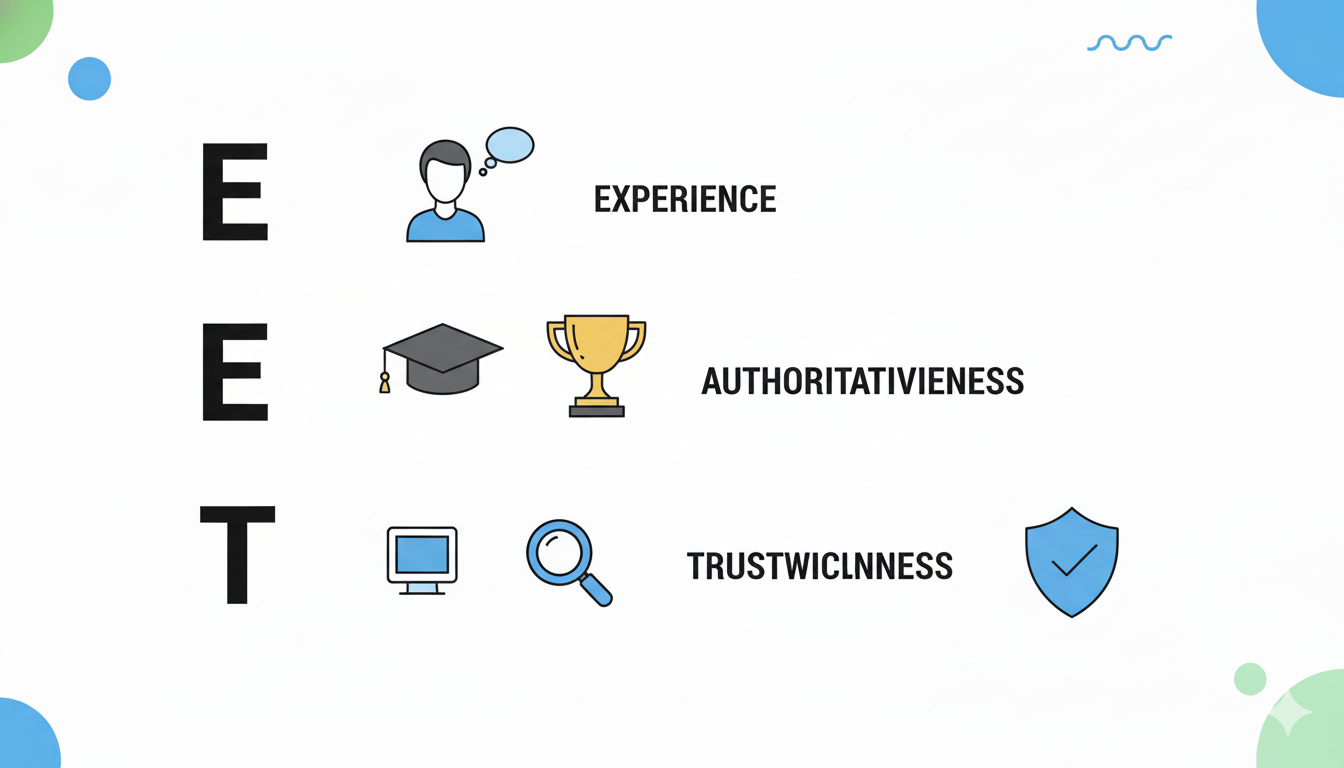
- Evidence of doing the work: original photos, screenshots, before and after results, and the mistakes you made along the way.
- Real author bios: name, role, years in the field and a link to a professional profile, rather than a generic “our experts” line.
- Clear sourcing: link claims to the primary source so a reader can check them.
3. Use AI to speed up the work, not to publish at scale
Good uses of AI in SEO are analysing the top results for a query, finding subtopics your page misses, clustering keywords and drafting meta descriptions for a human to edit. Poor uses are publishing hundreds of near-identical pages. Google’s page on generative AI content says it does not matter how a page was produced, but it does matter whether it helps people.
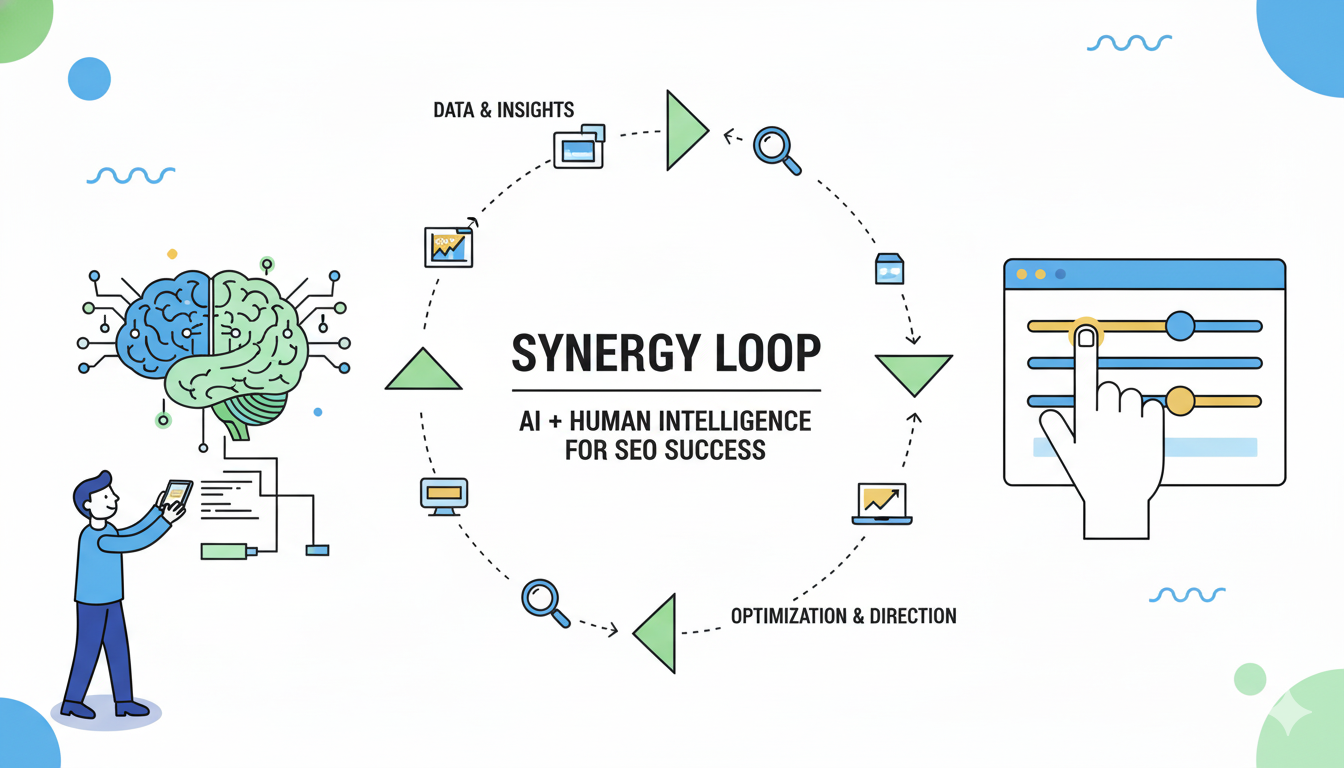
From our work: we see the same pattern on client sites. Pages written from a real briefing, with the owner’s own examples and photos, hold their positions. Pages produced as thin variations of a template tend to be the first to drop after a core update.
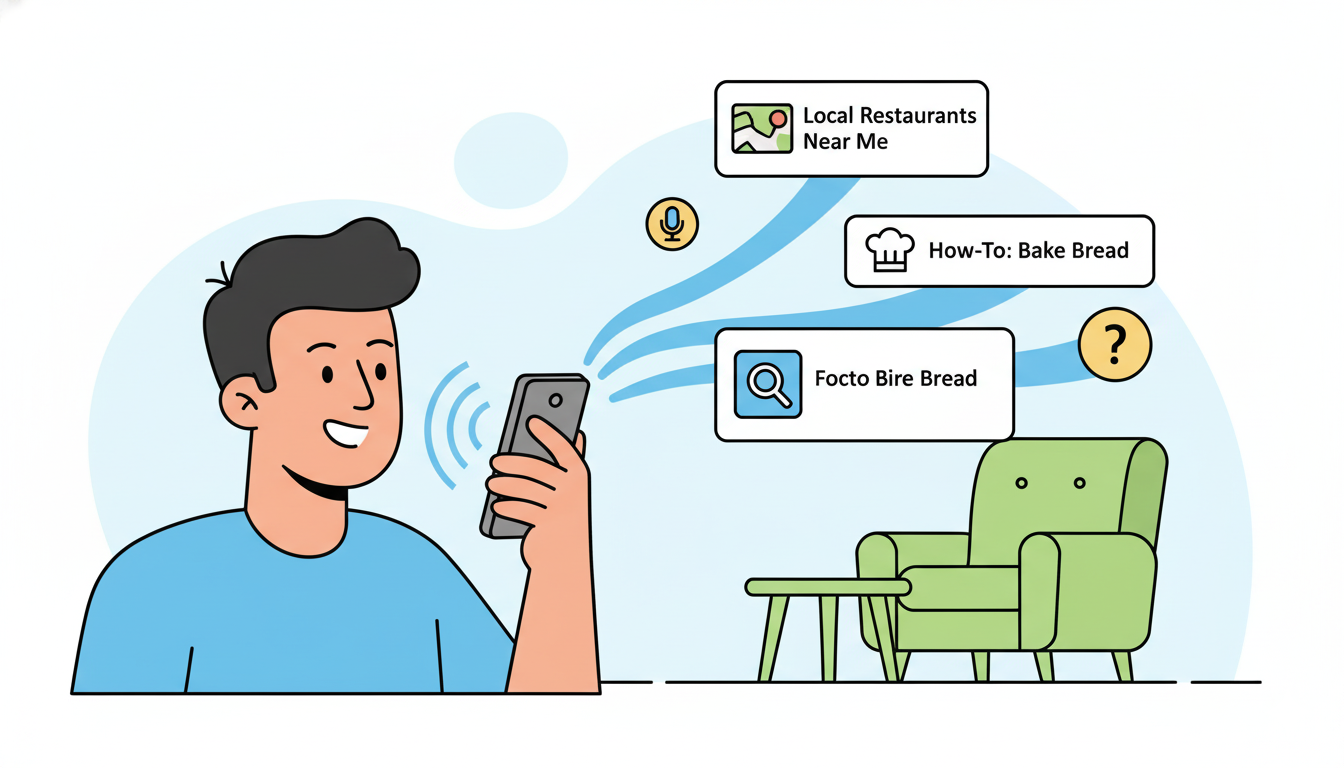
4. Prepare for voice, visual and AI answers
Voice assistants and AI answer engines both favour short, direct answers to plain-language questions. Put the answer in the first one or two sentences under a question heading, then add detail. This is the same answer-first structure that wins featured snippets, and it is the focus of our answer engine optimisation work.
- Image basics: descriptive file names, useful alt text and compressed files.
- Product images: clear photos from several angles on a plain background.
- Self-explanatory visuals: charts and diagrams that make sense without the surrounding text.
5. What are the Core Web Vitals thresholds?
Google’s Core Web Vitals are Largest Contentful Paint within 2.5 seconds, Interaction to Next Paint of 200 milliseconds or less, and Cumulative Layout Shift of 0.1 or less. Each is measured at the 75th percentile of real page loads, split across mobile and desktop visitors.
These thresholds come from web.dev’s Core Web Vitals guide. Interaction to Next Paint replaced First Input Delay as the responsiveness metric, so any advice that still talks about FID is out of date. The INP guide rates anything above 200 milliseconds as needing improvement and anything above 500 milliseconds as poor.
Show the numbers
| Good: up to | 200 ms |
| Poor: above | 500 ms |
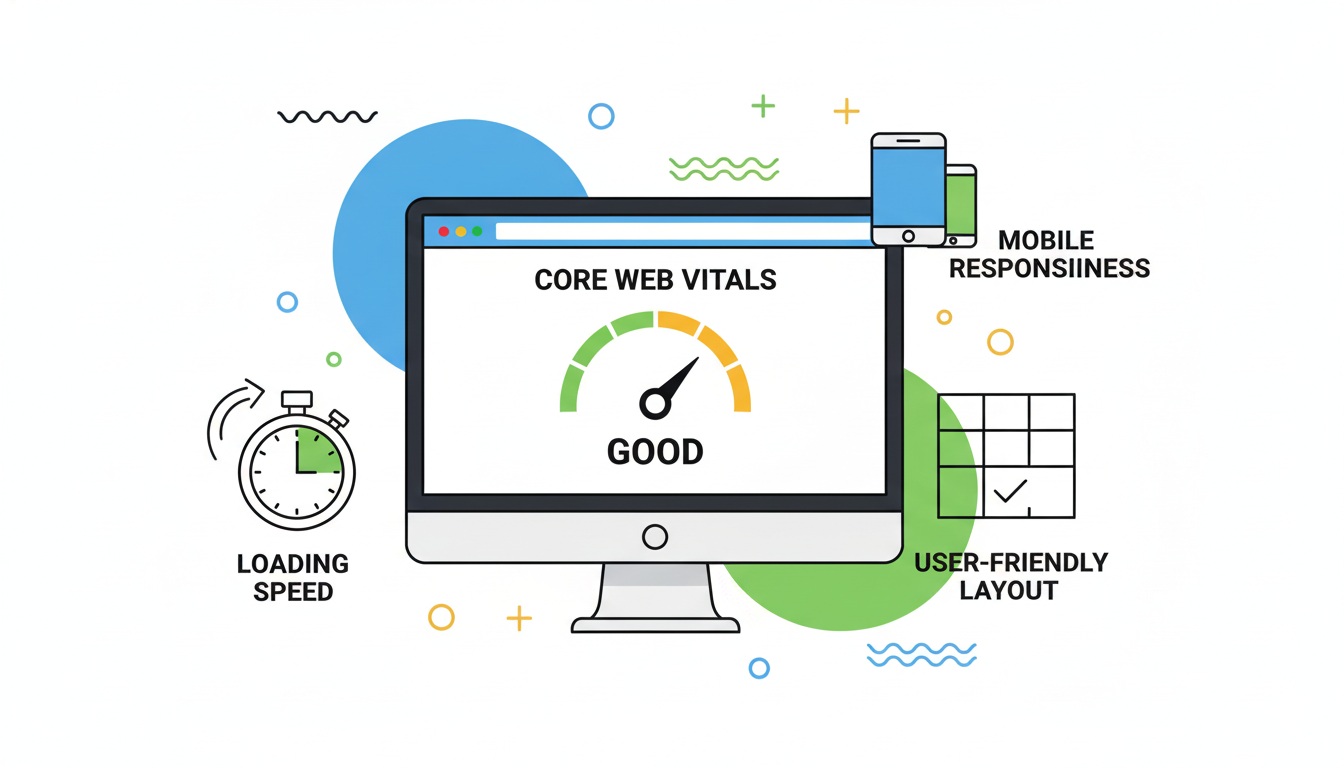
- LCP: compress the hero image, preload key fonts and remove render-blocking scripts.
- INP: cut JavaScript that runs on interaction, split long tasks and delay third-party tags.
- CLS: set width and height on images and embeds, and reserve space for ads and banners.
Page speed is a tie-breaker between similar pages and a direct driver of enquiries and sales, so it pays for itself either way. Our performance SEO service fixes slow pages that leak revenue.
6. Aim for SERP features, not only position one
Position one is still valuable, but a result can also win a featured snippet, a People also ask slot, an image pack, a video or a place in the local pack. Each feature rewards a different format.
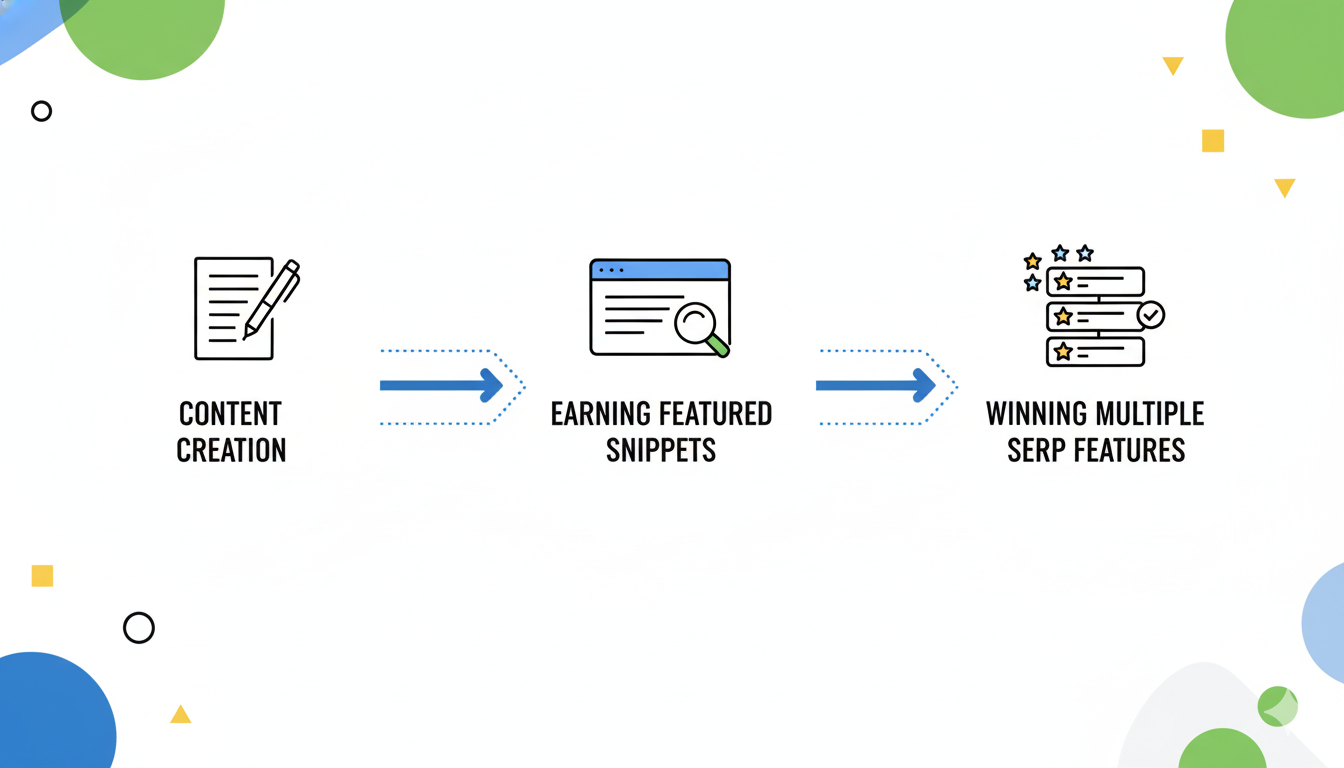
- Featured snippets: a short definition, list or table placed near the top of the page.
- People also ask: a question heading followed by a direct answer of around 50 words.
- Local pack: a complete Google Business Profile, fresh reviews and pages for each service area. See our guide to local SEO.
- Image packs: original images with descriptive names and alt text.
7. Build topical authority with linked content
Topical authority means covering a subject so completely that search engines and readers treat your site as a dependable source on it. In practice it is a pillar page plus supporting articles that answer the narrower questions, all linked to each other.
- Map the topic: list every question a buyer asks from first search to purchase.
- Audit what you have: compare your pages with the top results and note gaps and overlaps.
- Link on purpose: each supporting page links up to the pillar and across to its neighbours, with descriptive anchor text.
Not sure where you rank?
We’ll check your map position, your Google profile and your listings, and send you what to fix first. Free, no obligation.
Your 90-day SEO plan
Do not try all seven strategies at once. This plan puts the cheap, safe fixes first and the slower content work after them.
Days 1 to 30: audit and foundation
- Run a technical audit and check Core Web Vitals in Google Search Console. Our list of common technical SEO errors is a good checklist.
- Write the intent of each key page in one line and flag mismatches.
- Add real author bios and proof of experience to your ten most important pages.
- Set up tracking in Search Console and your analytics tool so you can measure change.
Days 31 to 60: content work
- Rewrite top pages so each question heading has a short, direct answer.
- Fill the topic gaps you found, using AI for research and a human for the writing.
- Connect supporting posts to their pillar page with internal links.
Days 61 to 90: expand and refine
- Add schema markup where it fits, for example FAQ and organisation details.
- Repeat what worked on the next set of pages.
- Review rankings, clicks and enquiries, then set the next quarter’s priorities.
Frequently asked questions
No. AI is good at analysing data, grouping keywords and drafting, but it cannot supply first-hand experience or judge what a particular customer needs. Teams that use AI for research and checking, and keep a person responsible for strategy and final copy, get faster without losing quality.
Yes. Links from relevant, trusted sites remain a strong signal that other people vouch for your content. Quality matters far more than quantity. Earn links with original research, useful tools and digital PR, and avoid buying links, which Google’s spam policies treat as a violation.
Technical fixes can show an effect within weeks once Google has recrawled the pages. Content and authority work usually takes three to six months to gain traction, and competitive topics take longer. Track impressions and clicks in Search Console monthly rather than checking rankings daily.
Search intent mapping. Many sites target a keyword without checking what searchers want when they type it, so the page has the wrong format or depth. Reading the current top results and matching their purpose is cheap, and it often lifts a stalled page without new links.
No. Interaction to Next Paint replaced First Input Delay as the Core Web Vitals responsiveness metric, according to web.dev. A good INP is 200 milliseconds or less. If an audit tool still reports FID, check that it has been updated.
Get a clear SEO plan for your site
If you want these strategies prioritised for your own site, with an honest view of what to fix first, contact LineUp and we will review your pages and send back a short plan.

Search, ads and video for businesses that want more customers. Every guide is based on what we see in client accounts. See our services